
Support
Types of Dementia Clocks for People with Dementia (Complete Guide for Caregivers)
Caring for someone with dementia often means finding simple tools that make a big difference in daily life. One of the most effective yet overlooked tools is a dementia clock. These specialized clocks are designed to reduce confusion, support independence, and provide reassurance throughout the day.
Read more

Written by
Tyler Zanini, Founder at Memoryboard
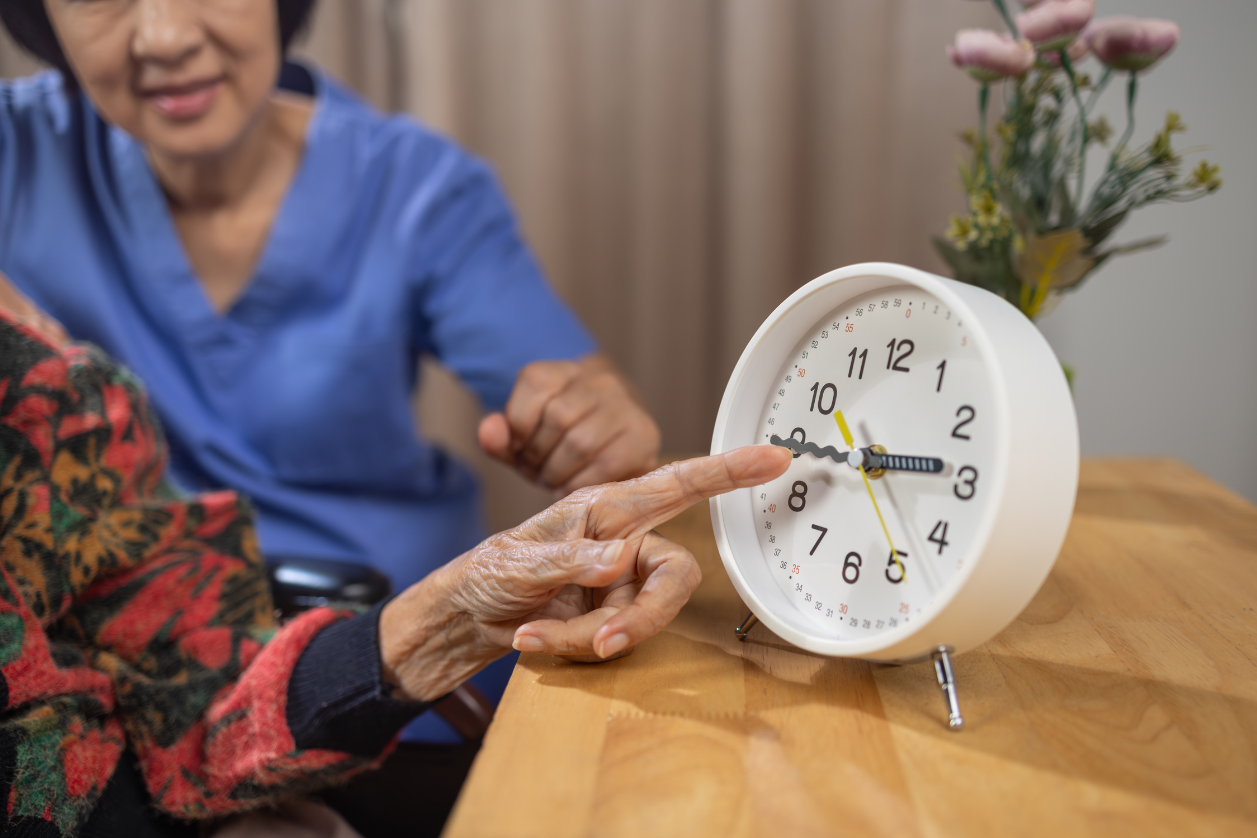
In this guide, we’ll break down the different types of dementia clocks, how they work, and how to choose the best option for your loved one.
What Is a Dementia Clock?
A dementia clock is a specially designed clock that displays time in a way that is easier to understand for individuals living with memory loss or cognitive decline. Unlike traditional clocks, they often include:
Large, easy-to-read text
Clear labeling of time of day (morning, afternoon, evening, night)
Full day and date displays
High contrast screens for visibility'
These features help reduce anxiety, prevent disorientation, and support daily routines.
Why Dementia Clocks Are Important
People living with Dementia often struggle with time perception.
This can lead to:
Confusion about day vs. night
Missed meals or medications
Increased anxiety or agitation
Disrupted sleep patterns
A dementia clock provides constant orientation, helping individuals feel more grounded and secure.
Types of Dementia Clocks
There are several types of dementia clocks available, each designed for different stages of memory loss and caregiving needs.
1. Digital Day Clocks
Digital day clocks are the most common and widely recommended type.
Features:
Displays full day (e.g., Monday)
Shows time in large font
Includes phrases like “Morning,” “Afternoon,” or “Evening”
Often has adjustable brightness
Best for:
Early to mid-stage dementia
Individuals who benefit from clear, direct information
Why it works: Instead of requiring interpretation (like analog clocks), digital day clocks provide straightforward context.
2. Analog Clocks with Simplified Design
These clocks resemble traditional clocks but are adapted for easier readability.
Features:
Bold numbers
High contrast colors
Minimal clutter
Best for:
Early-stage dementia
Individuals who are still familiar with traditional clocks
Limitations: They don’t provide day or time-of-day context, which can still lead to confusion as dementia progresses.
3. Talking Clocks
Talking clocks verbally announce the time at the press of a button or on a schedule.
Features:
Audio time announcements
Some include alarms or reminders
Best for:
Individuals with vision impairment
Those who respond well to auditory cues
Why it helps: Hearing the time can reinforce understanding when visual processing becomes difficult.
4. Alarm Clocks with Reminders
These clocks go beyond telling time—they help structure daily routines.
Features:
Medication reminders
Meal alerts
Appointment notifications
Best for:
Maintaining independence
Supporting daily schedules
Important note: Too many alarms can become overwhelming, so simplicity is key.
5. Wall-Mounted vs. Portable Clocks
Wall-Mounted Clocks:
Easy to see from across the room
Ideal for common areas like living rooms
Portable Clocks:
Can be moved between rooms
Useful for bedside tables or travel
Choosing between these depends on where your loved one spends most of their time.
6. Smart Display Clocks
These are modern, connected devices that combine clock functionality with communication features.
Features:
Photo displays
Messages from family members
Remote updates
Best for:
Families who want to stay connected
Individuals who benefit from visual reminders
A great example of this approach is MemoryBoard, which combines time orientation with personalized messages, photos, and reminders—all managed remotely by caregivers.
Key Features to Look For in a Dementia Clock
When choosing a dementia clock, prioritize the following:
1. Large, Clear Display
Avoid small text or cluttered screens.
2. Time-of-Day Labels
Words like “Morning” or “Evening” are critical for orientation.
3. High Contrast
Black-and-white or bold color contrast improves readability.
4. Automatic Brightness Adjustment
Prevents sleep disruption at night.
5. Simple Setup
Caregivers should be able to set it up quickly without confusion.
How to Choose the Right Dementia Clock
The best clock depends on the stage of dementia and individual preferences.
Early stage: Analog or simple digital clocks
Mid stage: Digital day clocks with clear labels
Late stage: Talking clocks or simplified displays
Also consider:
Vision ability
Hearing ability
Daily routine complexity
Living environment
Tips for Using a Dementia Clock Effectively
Place the clock in a frequently used area
Ensure it is visible from bed
Avoid moving it often (consistency matters)
Pair it with a daily routine for reinforcement'
Consistency and repetition are key to making the clock truly helpful.
Final Thoughts
Dementia clocks are more than just timepieces—they are tools that provide structure, comfort, and independence. By reducing confusion and reinforcing daily rhythms, they can significantly improve quality of life for both individuals and caregivers.
If you're looking for a more advanced solution, platforms like MemoryBoard take the concept further by combining time orientation with meaningful connection—helping loved ones stay informed, engaged, and emotionally supported.
FAQ: Dementia Clocks
What is the best type of clock for dementia? Digital day clocks are generally the most effective because they clearly display time, day, and part of the day.
Do dementia clocks really help? Yes, they can reduce anxiety, improve routine adherence, and support independence.
Where should I place a dementia clock? In a central location like a living room or bedside area where it’s easily visible.
Join our mailing list and get our FREE daily routine template & tips guide 💜
Email address
Sign up
More from the blog
Read more helpful tips about connecting with your loved ones from the team at Memoryboard.


Empower people with memory loss
Memoryboard enhances daily life and strengthens connections


