
Getting Started
Messages You Can Send with Memoryboard
Simple message and photo ideas to help your loved one feel connected, supported, and more grounded throughout the day.
Written by Tyler Zanini, Founder at Memoryboard
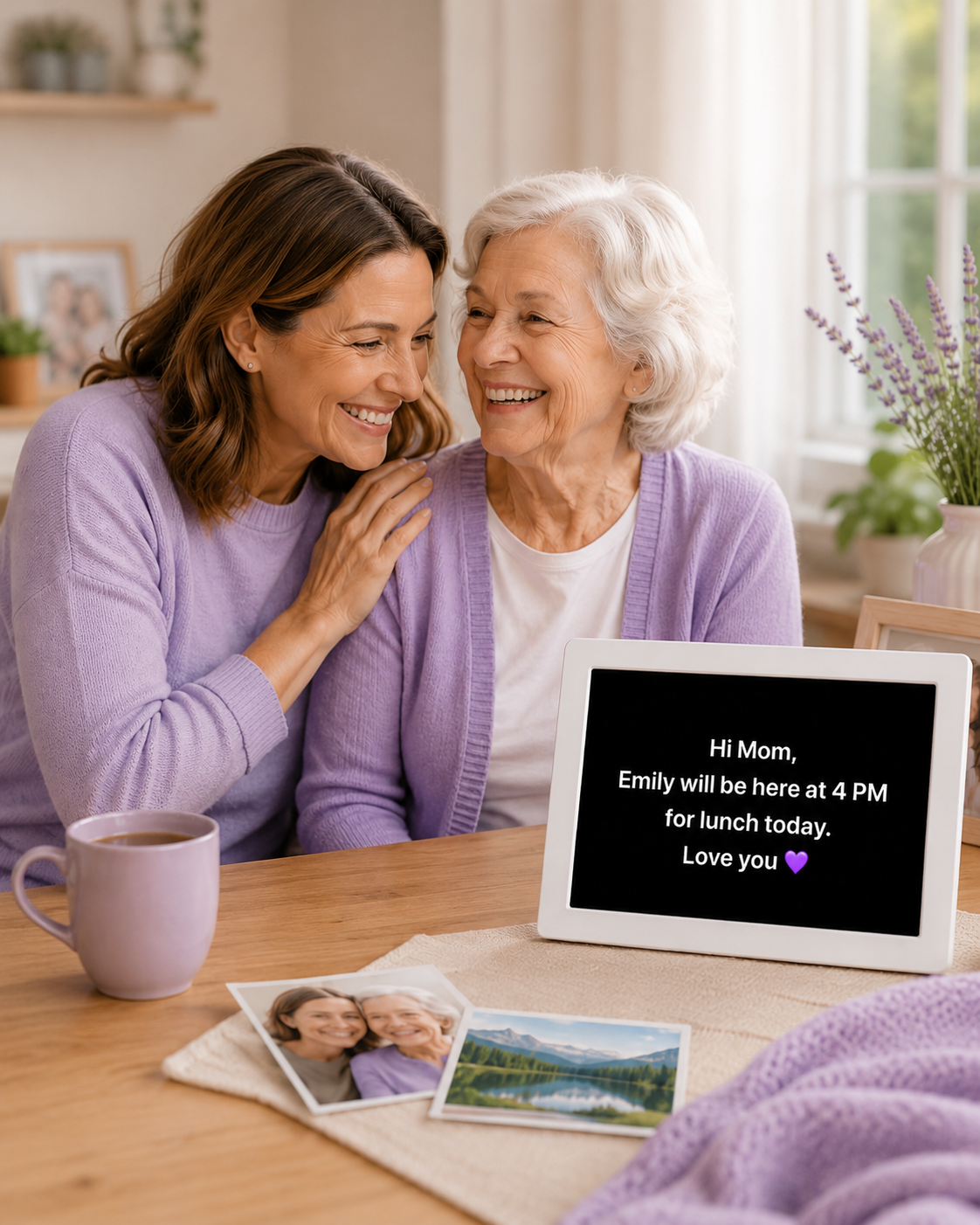
Memoryboard helps families stay connected through simple reminders, loving notes, photos, and daily updates. For someone experiencing memory loss, the right message can bring comfort, structure, and reassurance. This guide shares practical examples you can send throughout the day, plus photo ideas that can help your loved one feel more connected to the people and routines that matter most.
Morning Messages to Start the Day
A kind morning message can set the tone for the day. It can help your loved one feel remembered, supported, and less alone when they wake up.
Message ideas
Good morning, Mom. Hope you have a calm and happy day. Love you.
Rise and shine, Dad. Today is going to be a good day.
Happy Monday. It is a new week, and we are thinking of you.
Good morning. Breakfast is ready in the kitchen.
Hi Grandma. I hope your morning feels peaceful. We love you.
Why it helps
Creates a familiar morning routine.
Offers reassurance at the start of the day.
Helps reduce confusion or uncertainty.
Gives caregivers an easy way to check in with love.
Routine and Activity Reminders
Simple reminders can help your loved one move through the day with more confidence. Keep messages short, clear, and kind.
Message ideas
It is 10 AM. Time for your morning walk.
Your puzzle is on the table if you want to work on it.
It is time to water the plants.
Your book is next to your favorite chair.
Today is a good day to sit outside for a few minutes.
Why it helps
Supports daily structure.
Encourages independence.
Makes activities feel less overwhelming.
Helps caregivers reinforce routines from anywhere.
Meal and Hydration Reminders
Meals and water can be easy to forget, especially when someone has memory loss. A gentle message can help without making your loved one feel pressured.
Message ideas
Lunch is ready in the kitchen.
Please drink a glass of water.
Dinner will be delivered at 6 PM tonight.
Your snack is on the counter.
Remember to take a few sips of water.
Why it helps
Supports health and daily care.
Makes reminders feel caring instead of clinical.
Helps reduce repeat phone calls.
Gives caregivers peace of mind.
Social and Family Connection Messages
Memory loss can sometimes feel isolating. Messages from family can help your loved one feel included in daily life, even when everyone is not physically together.
Message ideas
Hi Grandma. We miss you and are thinking about you today.
Your grandson Liam has a birthday today.
We are having family dinner tonight on video at 7 PM.
Dad, I saw something today that reminded me of you.
We love you and will call you this afternoon.
Why it helps
Helps your loved one feel remembered.
Keeps family moments visible.
Builds emotional connection throughout the day.
Helps bridge distance between visits.
Photo Ideas to Support a Loved One with Memory Loss
Photos can be powerful because they give your loved one something familiar to see. A photo can remind them who is visiting, what happened recently, or what is coming up next. Photos can also make Memoryboard feel more personal and comforting.
Family Face Reminders
Send clear photos of close family members with short captions.
Examples:
This is Sarah, your daughter. She will visit today at 3 PM.
This is your grandson, Liam. He loves you very much.
This is your sister, Maria. She will call you tonight.
Why it helps:
Familiar faces can bring comfort and help your loved one feel connected.
Today's Visitor Photo
Send a photo of the person who is coming over before they arrive.
Examples:
Your caregiver Anna will be there at 9 AM.
Your daughter Emily is coming after lunch.
Your neighbor John will stop by this afternoon.
Why it helps:
It can make visits feel less surprising and reduce confusion.
Appointment Photo Reminders
Send a photo connected to the appointment or outing.
Examples:
Photo of the doctor's office.
Photo of the car or person picking them up.
Photo of the outfit they should wear.
Why it helps:
Visual cues can make appointments easier to understand and prepare for.
Memory Photos
Share simple photos from family moments, holidays, pets, or past trips.
Examples:
A photo from last Thanksgiving.
A picture of their dog or cat.
A favorite family vacation photo.
Why it helps:
Photos can spark conversation, comfort, and familiar memories.
Room and Object Cues
Use photos of everyday items to support routine.
Examples:
A photo of where medicine is kept.
A photo of their water bottle.
A photo of their favorite chair.
Why it helps:
Visual reminders can be easier to follow than text alone.
Grandchildren Updates
Send everyday photos from grandchildren, school events, sports, or small life moments.
Examples:
Ava made this drawing for you.
Liam had his soccer game today.
We are thinking of you from the beach.
Why it helps:
It keeps your loved one included in family life.
📷 Photo Tip
Use clear, bright photos with one main subject. Add a short caption. Avoid crowded group photos when the goal is to help your loved one recognize someone or understand what is happening.
Fun and Lighthearted Messages
A small joke, sweet note, or fun fact can brighten the day. These messages do not need to be serious. Sometimes the goal is simply to make your loved one smile.
Message ideas
Fun fact: elephants can hear with their feet.
Sending you a virtual hug.
Hope you are having a good day.
Here is your daily smile. We love you.
I saw flowers today and thought of you.
Why it helps
Adds joy to the day.
Gives your loved one something positive to see.
Creates small moments of connection.
Evening Wind-Down Messages
A calm evening message can help your loved one feel safe before bedtime. Keep the tone warm and simple.
Message ideas
Good night, Mom. Hope you had a peaceful day.
Time to wind down and get ready for bed.
You are safe. You are loved. We will talk tomorrow.
Rest well tonight.
We love you and will check in tomorrow morning.
Why it helps
Creates a bedtime routine.
Provides comfort and reassurance.
Helps reduce evening anxiety.
Ends the day with connection.
Quick Tips for Writing Better Memoryboard Messages
Keep messages short.
Use your loved one's name.
Use a warm and familiar tone.
Be specific about times and people.
Pair text with photos when helpful.
Avoid too many instructions in one message.
Repeat key routines when needed.
Use love and reassurance often.
Sample Daily Message Schedule
A simple starting point you can adapt for your loved one's day.
Time of Day
Sample Message
🌅 Morning
Good morning, Mom. Breakfast is ready in the kitchen. Love you.
☀️ Late Morning
It is 10 AM. Time for your walk.
🌤 Afternoon
Here is a photo of Liam from school today. He says hi.
🍽 Evening
Dinner is at 6 PM. Your meal is in the fridge.
🌙 Bedtime
Good night. You are loved, and we will talk tomorrow.
Memoryboard is more than a reminder tool. It gives families a simple way to stay present throughout the day. A short message, a familiar photo, or a gentle routine reminder can help your loved one feel safer, more connected, and less alone.


