
Support
Dementia Clock: How It Helps Reduce Confusion and Anxiety for Loved Ones
Caring for someone with dementia often means answering the same questions again and again.
Read more

Written by
Tyler Zanini, Founder at Memoryboard
What day is it? Is it morning or night? What am I supposed to be doing right now?
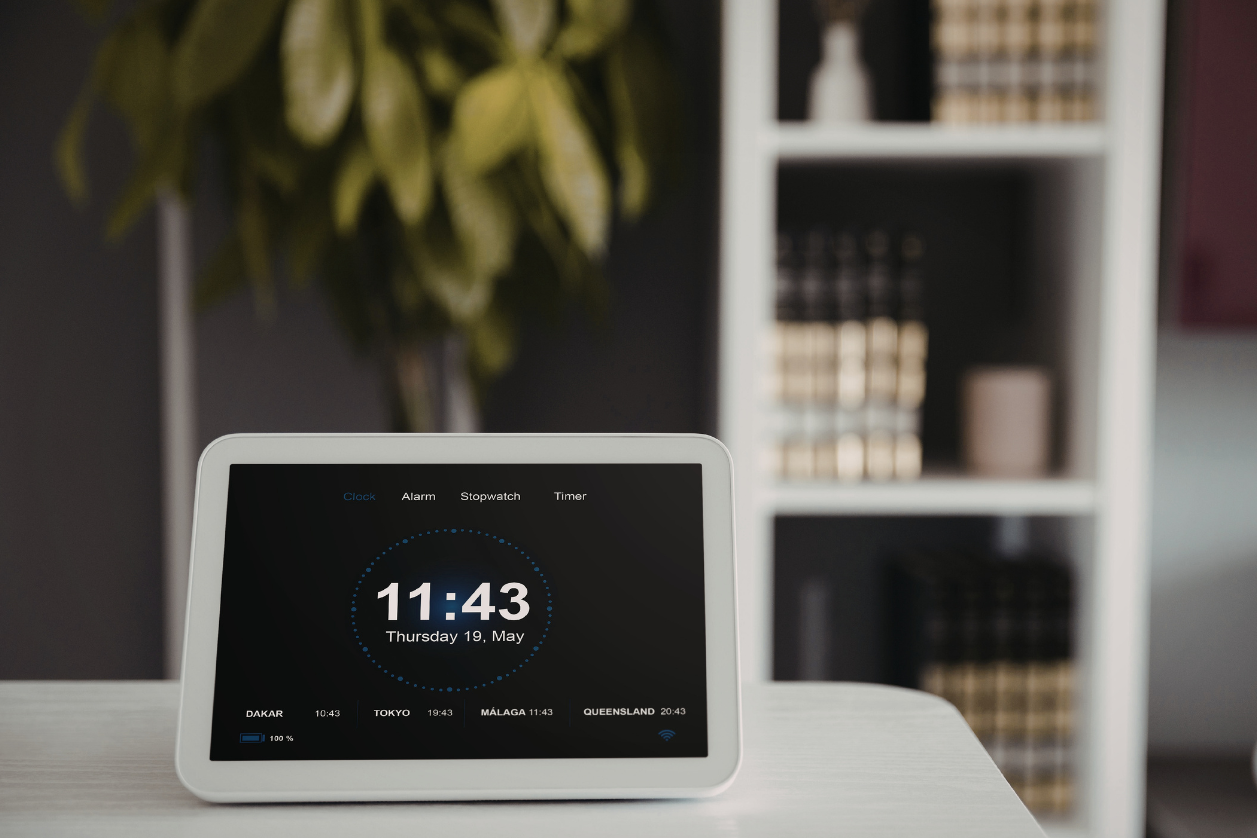
A dementia clock is one of the simplest tools designed to help with exactly that.
In this guide, we’ll explain what a dementia clock is, how it helps people with dementia, and what to look for when choosing the best one for your family.
What Is a Dementia Clock?
A dementia clock is a digital clock specifically designed for people living with dementia, Alzheimer’s disease, or other forms of memory loss. Unlike traditional clocks, a dementia clock displays information in clear, easy-to-read language, such as:
Day of the week (Monday, Tuesday, etc.)
Full date (July 15, 2026)
Time of day (Morning, Afternoon, Evening, Night)
By spelling everything out, a dementia clock reduces confusion and helps orient someone who may struggle to interpret numbers or remember context.
Why Dementia Clocks Are So Effective
Time disorientation is one of the most common and distressing symptoms of dementia. A dementia clock can help by:
1. Reducing Anxiety
Not knowing what time it is—or whether it’s day or night—can be frightening. A dementia clock provides reassurance at a glance.
2. Supporting Daily Routines
Seeing “Morning” or “Evening” helps reinforce routines like meals, medication, and bedtime.
3. Reducing Repetitive Questions
Caregivers often report fewer repeated questions once a dementia clock is placed in a visible, central location.
4. Helping With Sundowning
For people who experience increased confusion in the evening, a dementia clock can help ground them and explain why it’s getting dark or time to rest.
Key Features to Look for in a Dementia Clock
Not all dementia clocks are created equal. When choosing one, look for these essential features:
Large, High-Contrast Display
Big text with strong contrast (black text on a white background) is easier to read from across the room.
Clear Time-of-Day Labels
Words like Morning, Afternoon, Evening, and Night are far more helpful than just numbers.
Automatic Date and Time Updates
The best dementia clocks update automatically so caregivers don’t need to reset them.
Simple, Non-Distracting Design
Avoid clocks with cluttered screens, flashing icons, or unnecessary buttons.
Dementia Clock vs. Regular Digital Clock
A standard digital clock might show “7:00,” but that doesn’t answer the questions a person with dementia is actually asking:
Is it morning or night?
Should I be awake or asleep?
Is today a weekday or weekend?
A dementia clock is designed to answer those questions instantly, without explanation.
Where to Place a Dementia Clock for Best Results
To get the most benefit from a dementia clock:
Place it in a
frequently used room
(bedroom, living room, or kitchen)
Keep it at
eye level
Make sure it’s visible from the bed or favorite chair
Consistency matters — the clock should stay in the same place every day.
Are Dementia Clocks Enough on Their Own?
A dementia clock is a powerful tool, but it works best when combined with other supportive cues like:
Visual reminders
Daily routines
Familiar objects and photos
Gentle caregiver communication
Many families eventually look for solutions that go beyond time and date, helping with
daily schedules, reminders, and messages from loved ones as well.
Final Thoughts on Dementia Clocks
A dementia clock may seem like a small change, but for many families, it makes a meaningful difference. By reducing confusion, supporting routines, and providing constant reassurance, dementia clocks help people with memory loss feel safer and more independent.
For caregivers, they offer something just as important: a little more peace of mind.
If you’re caring for someone with dementia, starting with a dementia clock is often one of the simplest and most effective steps you can take.
Join our mailing list and get our FREE daily routine template & tips guide 💜
Email address
Sign up
More from the blog
Read more helpful tips about connecting with your loved ones from the team at Memoryboard.


Empower people with memory loss
Memoryboard enhances daily life and strengthens connections


