
Support
Dementia Day Clocks: How They Reduce Confusion and Support Daily Routines
Caring for someone with dementia often means answering the same questions over and over again: What day is it? Is it morning or night? What am I supposed to do now?
Read more

Written by
Tyler Zanini, Founder at Memoryboard
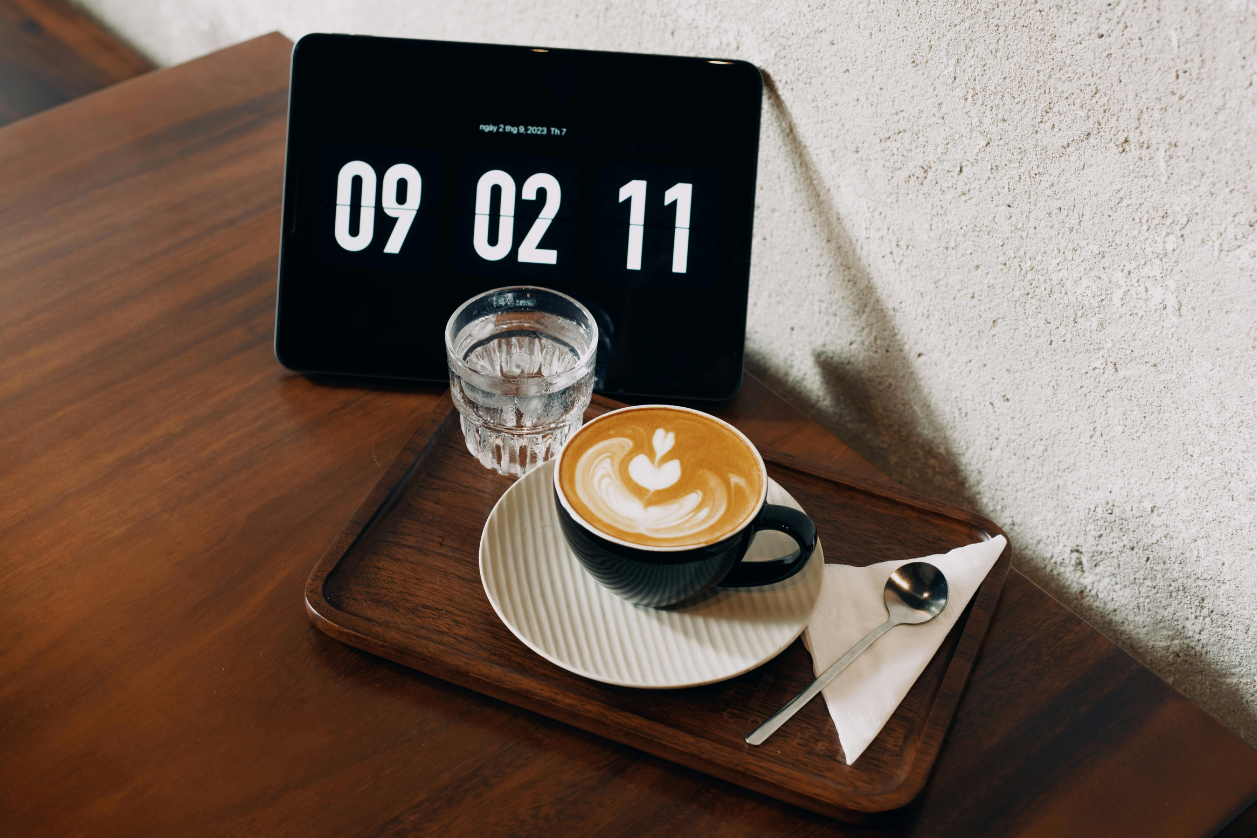
A dementia day clock is a simple tool designed to reduce that confusion—and when paired with gentle reminders and family connection, it can make daily life calmer for everyone involved.
In this guide, we’ll explain what a dementia clock is, who it’s for, how it helps day-to-day, and what to look for when choosing one.
What Is a Dementia Clock?
A dementia clock is a large-print, easy-to-read display that clearly shows the day of the week, full date, and time. Unlike standard clocks, it’s designed to answer the most common orientation questions at a glance—especially for people living with dementia, Alzheimer’s, or mild cognitive impairment (MCI).
Many modern dementia clocks go a step further by supporting simple reminders or prompts to reinforce routines. Memoryboard combines a clear day clock with a caregiver message board, allowing family members to send reminders, encouragement, and photos that appear directly on the screen.
The goal isn’t just telling time—it’s helping someone feel oriented, reassured, and connected.
Who Benefits from a Dementia Day Clock?
Dementia clocks are most often used by people living with:
Dementia or Alzheimer’s disease
Mild Cognitive Impairment (MCI)
Stroke recovery
Low vision
Time-of-day confusion or sundowning
Caregivers also benefit. A visible, always-on clock can reduce repetitive questions, reinforce daily routines, and help everyone stay on the same page—without constant verbal reminders.
How a Dementia Clock Helps Day to Day
In everyday life, a dementia clock can support both emotional comfort and practical routines:
Clear orientation and reassurance
Seeing the correct day, date, and time reduces anxiety and helps break the “What day is it?” loop.
Support for routines
On-screen notes or reminders can gently prompt meals, medications, or appointments without feeling overwhelming.
Connection with family
Photos and messages from loved ones—especially familiar faces—can provide comfort and a sense of connection, even when family members aren’t physically present.
Dementia Clock Options: What’s the Difference?
Not all dementia clocks are the same. Here’s a high-level comparison of common options caregivers consider:
Simple day clocks show large day/date/time, but don’t allow family interaction or reminders.
Smart displays may include reminders and photos, but often rely on voice assistants, menus, and updates that can feel confusing for seniors.
Paper calendars are familiar but require manual updates and don’t help with real-time orientation.
Memoryboard is designed as a single-purpose, senior-friendly display: easy to read, easy to set up, and simple to use—while still allowing caregivers to support routines and connection remotely.
Choosing the Right Size for Your Space
Screen size matters when visibility is the goal.
10.1” works well for bedside tables and smaller rooms where the screen is viewed up close.
15.6” is ideal for living rooms, kitchens, or shared spaces where the display needs to be readable from across the room.
Choosing the right size helps ensure the clock is actually used—and not ignored because it’s hard to see.
How Memoryboard Works
Memoryboard is designed to be simple:
Plug it in and power it on
Connect to home Wi-Fi using guided prompts
Invite family or caregivers to send notes, reminders, and photos
Once it’s set up, it just works—no daily maintenance or technical knowledge required.
Set Up in About Five Minutes
Most caregivers can set up Memoryboard in minutes:
Place it where it’s easily visible
Plug it in and power it on
Connect to Wi-Fi
Sign in or create an account (if applicable)
Invite family members to participate
Adjust brightness or night mode if needed
After that, it runs quietly in the background, supporting daily life without extra effort.
Common Questions About Dementia Clocks
What does a dementia clock display?
A large, high-contrast view of the day of the week, full date, and time—designed for quick, at-a-glance understanding.
Do I need Wi-Fi?
Wi-Fi enables features like remote notes, reminders, and photo sharing. The core clock display continues to function locally.
Can multiple family members send messages?
Yes. You can invite multiple caregivers or loved ones so everyone can stay involved.
Is there a subscription fee?
Memoryboard does not require a subscription for its core features.
Can we keep it as just a clock?
Yes. Photos and messages can be turned off for a clean, clock-only display.
What Caregivers Say
Caregivers often tell us the biggest change isn’t just fewer questions—it’s a calmer day-to-day rhythm.
“Easy to read and easy to set up. My mom stopped asking what day it is every hour.”
— Sarah, Ohio
“We use it for reminders and photos from the grandkids. It’s made routines smoother.”
— Jason, Texas
Memoryboard: A Dementia Clock Designed for Ongoing Support
Memoryboard goes beyond a traditional dementia clock by combining a large, easy-to-read day and date display with tools that actively support daily routines and family connection.
The screen clearly shows the day, date, and time in large text that’s readable from across the room. Memoryboard also allows caregivers and family members to send reminders and prompts directly to the screen, helping reinforce routines like meals, appointments, and daily activities. These reminders appear visually on the screen and can include optional confirmation prompts.
Unlike basic dementia clocks, Memoryboard also supports rotating photos and remote family notes sent through a mobile app, text message, or email. This makes it both an orientation tool and a source of emotional reassurance.
Memoryboard is intentionally built as a single-purpose device for seniors, without confusing menus or frequent software updates. It comes in larger screen sizes—10.1” and 15.6”—which makes it especially helpful for people with vision or cognitive challenges. Pricing typically falls in the mid-range compared to other dementia clock solutions.
Simple Day Clocks for Dementia
Simple day clocks are one of the most common dementia clock options. They focus on clearly displaying the day of the week, date, and time, often in large, bold text.
These clocks are easy to set up and usually do not require Wi-Fi or a subscription. However, they are limited to passive information only. They do not provide reminders, prompts, photo displays, or remote updates from family members.
Most simple dementia clocks range from 8” to 12” in screen size, and features like daylight saving time handling can vary by brand. They are often more affordable, but they may become less helpful as memory loss progresses.
Smart Displays as Dementia Clocks
Some families consider general smart displays as an alternative dementia clock. These devices can offer voice-driven reminders, photo displays, and other smart features.
However, smart displays are not designed specifically for dementia or memory care. They often rely on voice commands, menus, and system updates, which can be confusing or frustrating for seniors with cognitive impairment. Wi-Fi is required, and screens are typically smaller, usually between 7” and 10”.
While smart displays can be powerful tools, they often require ongoing caregiver management and may not be ideal as a primary dementia clock.
Paper Calendars and Written Schedules
Paper calendars are the most basic option for orientation. They are inexpensive, require no technology, and can work in the very early stages of memory loss.
However, paper calendars do not provide reminders, prompts, or automatic updates. They rely entirely on the person remembering to check them and interpret the information correctly. For many people with dementia, this becomes increasingly difficult over time, limiting their long-term usefulness.
Which Dementia Clock Is Best?
The best dementia clock depends on the level of support needed.
If you only need a clear day and date display, a simple day clock may be enough.
If you want voice features and smart home integration, a smart display may help—but with added complexity.
If you’re looking for a dementia clock that actively supports routines, reduces repeated questions, and keeps family connected without overwhelming the user, a purpose-built solution like Memoryboard offers a more comprehensive approach.
A dementia clock should do more than tell time—it should provide reassurance, clarity, and support as needs change.
A Simple Tool That Makes a Real Difference
A dementia day clock won’t solve everything—but it can reduce confusion, support routines, and bring a little more peace of mind into daily life.
For families navigating memory loss, sometimes the most meaningful tools are the ones that quietly make each day feel more manageable.
Join our mailing list and get our FREE daily routine template & tips guide 💜
Email address
Sign up
More from the blog
Read more helpful tips about connecting with your loved ones from the team at Memoryboard.


Empower people with memory loss
Memoryboard enhances daily life and strengthens connections


