
Support
How to Help Someone With Dementia Remember Family Using Photos & Messages
When someone you love has dementia, one of the most painful moments is when they struggle to recognize family members. A parent may ask who you are. A spouse may forget your name. These moments can feel heartbreaking—but there are gentle, effective ways to help.
Read more

Written by
Tyler Zanini, Founder at Memoryboard
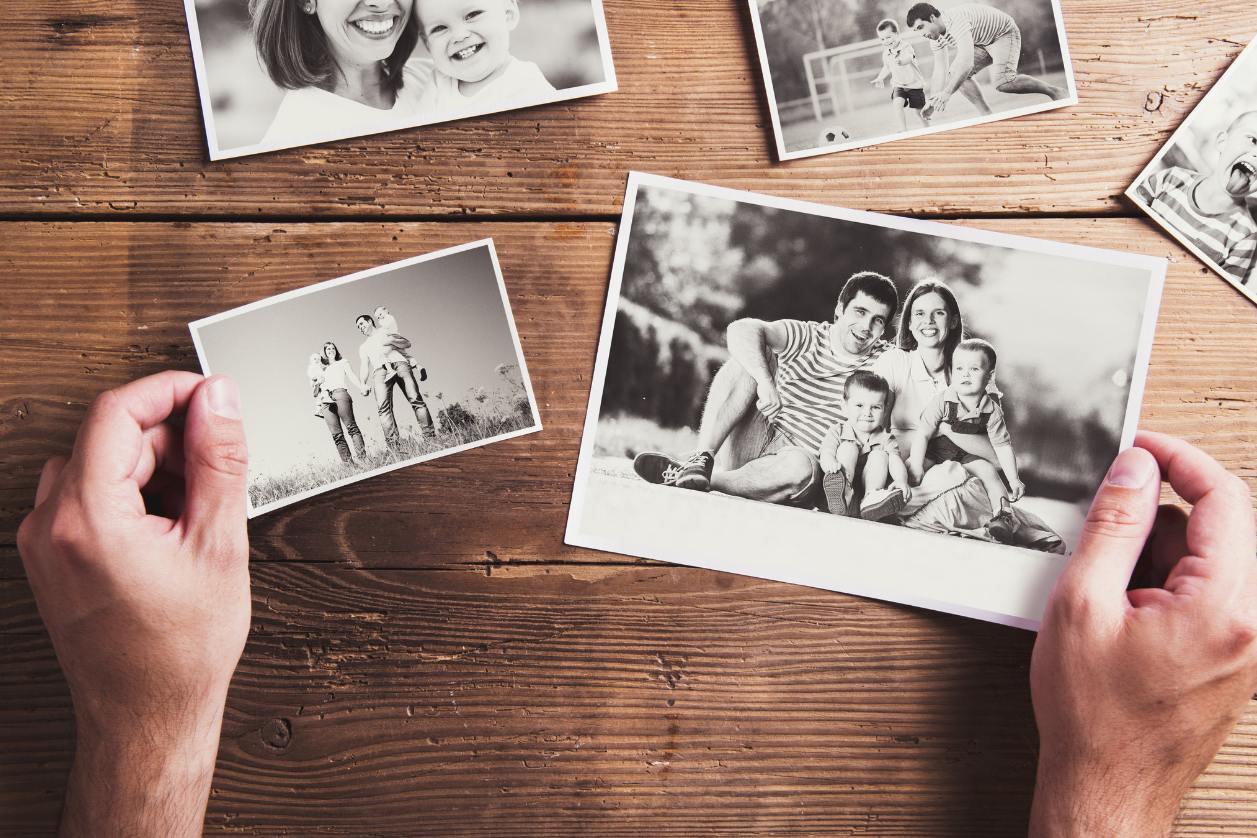
One of the most proven and compassionate approaches to help is using photos and simple messages to reinforce recognition, connection, and emotional safety. When done correctly, visual reminders can reduce confusion, anxiety, and distress—while helping your loved one feel supported and grounded.
This guide explains why photos work, how to use them effectively, and best practices caregivers can apply immediately.
Why People With Dementia Struggle to Remember Family
Dementia affects short-term memory first, while emotional and visual memory often remain intact longer. This means:
Names and recent conversations are forgotten more quickly
Faces may feel familiar but lack context
New memories are harder to form
Confusion can trigger fear, embarrassment, or agitation
Importantly, forgetting does not mean a lack of love. The emotional bond is often still there—it just needs help resurfacing.
Why Photos Are So Effective for Dementia Patients
Photos engage parts of the brain that remain resilient longer in dementia.
1. Reduce Repetitive Questions
Photos help because they:
Activate visual and emotional memory
Reduce the pressure to “remember” through words
Provide reassurance without correction
Feel familiar and comforting
A calm image paired with a short message can gently answer questions like:
“Who is this person?”
“Where am I?”
“Am I safe?”
Best Types of Photos to Use
Not all photos are equally helpful. Choose images that are clear, positive, and emotionally meaningful.
Best photo choices:
Close-up photos of faces (not group shots)
Smiling, relaxed expressions
Familiar settings (home, favorite park, church)
Repeated use of the same photo for consistency
Avoid:
Old or blurry photos
Busy backgrounds
Large group images
Photos tied to stressful memories
Tip: Modern photos usually work better than very old ones—recognition often comes faster.
How to Pair Photos With Simple Messages (This Is Key)
Photos work best when paired with short, reassuring text. The message should orient, not test memory.
Effective message examples:
“This is your daughter, Sarah. She loves you.”
“John is your husband. You are safe with him.”
“Your family is thinking of you today.”
“It’s Tuesday morning. You’re at home.”
Best practices:
Use simple sentences
Avoid questions like “Do you remember?”
Focus on reassurance, not facts
Repeat the same phrasing consistently
Consistency builds familiarity—even when memory fades.
When and How Often to Show Photos & Messages
Repetition is helpful, but timing matters.
Best times to show reminders:
In the morning (to reduce early confusion)
During transitions (waking up, meals, bedtime)
When signs of anxiety or agitation appear
Before or after visits from family members
Short, frequent exposure works better than long sessions.
Digital vs Physical Photos: What Works Best?
Printed photos are helpful—but digital displays often provide greater consistency and flexibility, especially for families who can’t be present every day.
Benefits of digital photo & message displays:
Automatically rotate photos and reminders
Reduce the need for the person with dementia to “do” anything
Allow caregivers to update messages remotely
Maintain routine without overwhelm
For many families, tools like Memoryboard offer a hands-free way to share photos, messages, and daily reassurance without requiring the loved one to interact with technology.
What to Do If Your Loved One Still Doesn’t Recognize You
Even with the best tools, recognition may fluctuate.
When it does:
Stay calm and avoid correcting them
Focus on how they feel, not what they remember
Use phrases like:
“I’m someone who cares about you.”
“You’re safe. I’m here with you.”
Let the photo and message do the explaining
Emotional safety matters more than factual accuracy.
Common Mistakes Caregivers Make (and How to Avoid Them)
Mistakes:
Testing memory. (“Do you know who I am?” can cause stress.)
Overloading with information.(Too many names or details can overwhelm.)
Constantly changing photos or wording.(Consistency builds recognition over time.)
Instead:
Use stable images
Repeat the same reassuring messages
Let familiarity do the work
Final Thoughts: Connection Over Correction
Helping someone with dementia remember family isn’t about forcing memory—it’s about preserving connection, dignity, and comfort.
Photos and simple messages:
Reduce anxiety
Reinforce emotional bonds
Help loved ones feel safe and supported
Ease the caregiving burden
Even when names fade, love and reassurance still register.
Frequently Asked Questions
Can photos really help dementia patients recognize family?
Yes. Visual and emotional memory often lasts longer than verbal recall, making photos especially effective.
Should I use old family photos or newer ones?
Newer photos usually work better, as they’re easier to recognize.
How many photos should I show at once?
Start small—3 to 5 consistent photos is ideal.
What if my loved one gets upset seeing photos?
Remove any images that trigger distress and focus on calming, reassuring visuals.
Join our mailing list and get our FREE daily routine template & tips guide 💜
Email address
Sign up
More from the blog
Read more helpful tips about connecting with your loved ones from the team at Memoryboard.
Empower people with memory loss
Memoryboard enhances daily life and strengthens connections


