
Support
Best Dementia Clocks for Seniors: What to Look for in 2026
If you’re caring for a loved one with dementia, you’ve probably noticed how time confusion shows up in everyday moments: repeated questions, missed meals, disrupted sleep, or anxiety around “what’s happening now?”
Read more

Written by
Tyler Zanini, Founder at Memoryboard
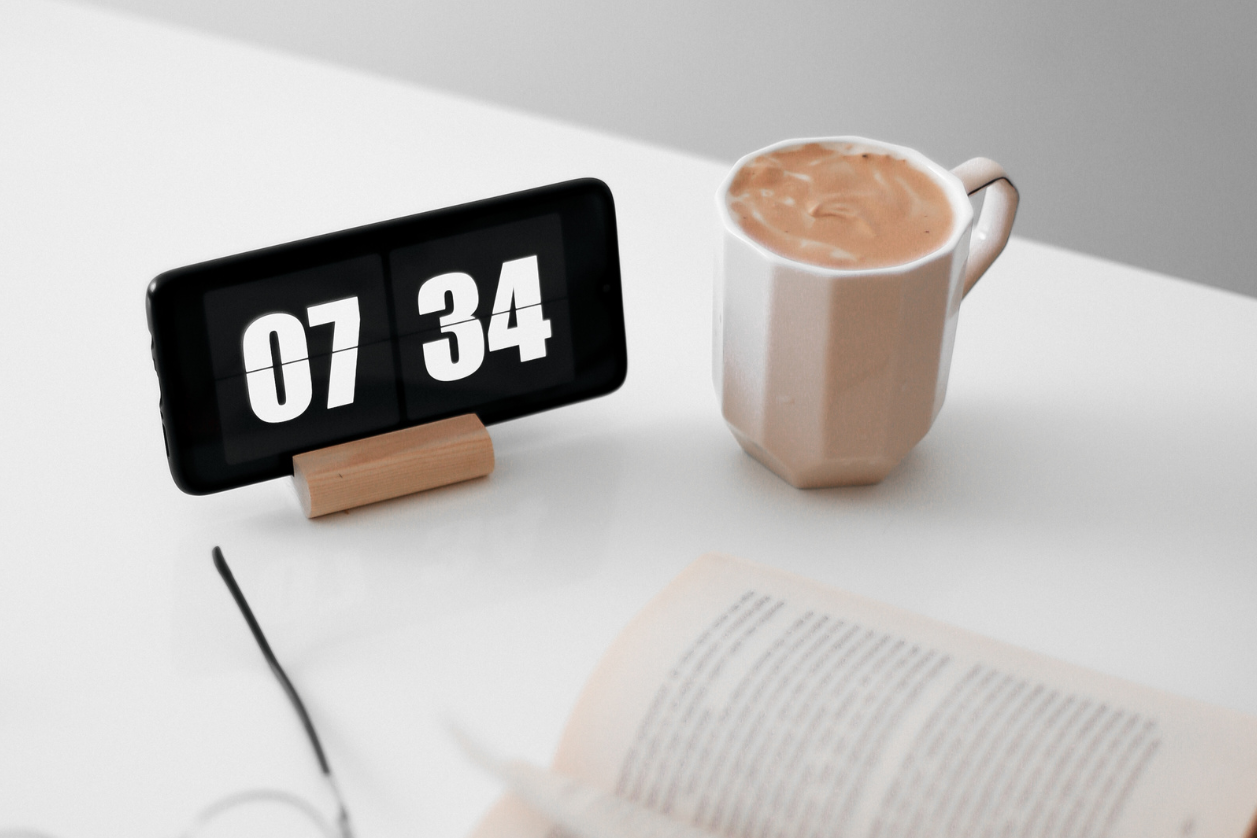
A well-designed dementia clock can make a real difference—but not all clocks are created equal.
In 2026, dementia clocks have evolved beyond simply showing the time. Below is a practical, caregiver-first guide to what to look for so you can choose a clock that truly supports independence, calm, and routine.
What Is a Dementia Clock?
A dementia clock is designed to reduce confusion by clearly displaying time, day, date, and time-of-day context (like “Morning” or “Evening”). Unlike standard clocks, they prioritize readability, clarity, and reassurance—especially for people experiencing memory loss.
1. Clear Day, Date, and Time-of-Day Display
The most important feature is context, not precision.
Look for clocks that show:
Day of the week (Monday, Tuesday, etc.)
Full date (not just numbers)
Time of day labels like Morning, Afternoon, Evening, or Night
This helps answer the most common questions—“What day is it?” and “Is it morning or night?”—without needing a caregiver to step in.
Avoid: clocks that only show numbers (e.g., “3:00”) with no explanation.
2. Large, High-Contrast Text That’s Easy to Read
Vision changes often come with aging and dementia, so readability matters more than style.
Best practices in 2026:
Large fonts (viewable from across the room)
High contrast (dark text on a light background)
Minimal clutter on the screen
Pro tip: Bigger screens aren’t just easier to see—they’re easier to understand.
3. Automatic Adjustments (No Setup Stress)
A good dementia clock should just work.
Look for:
Automatic daylight savings time updates
Auto-set time and date
No need for regular button presses or reconfiguration
Caregivers are busy. The best clocks reduce maintenance, not add to it.
4. Consistent, Non-Changing Layout
While some consumer devices rotate information or animate displays, this can increase confusion for someone with dementia.
Choose a clock with:
A static, predictable layout
No flashing elements
No rotating screens unless explicitly helpful
Consistency builds familiarity—and familiarity builds confidence.
5. Placement Flexibility for Daily Routines
Where the clock lives matters almost as much as what it shows.
The most effective dementia clocks are:
Easy to see at eye level
Placed in rooms tied to routine (bedroom, kitchen, living room)
Visible from common sitting or resting positions
Some caregivers choose more than one clock for different rooms—especially as dementia progresses.
6. Optional Reminders (But Keep Them Simple)
In 2026, many dementia clocks include reminders for:
Meals
Medications
Appointments
Daily routines
If reminders are included, they should be:
Short and clearly worded
Visually simple
Non-alarming (no loud or startling sounds)
More features aren’t always better. Simplicity wins.
7. Plug-In Power with Battery Backup
Reliability matters.
Look for:
Plug-in power for consistent operation
Battery backup to preserve settings during outages
A clock that resets or goes blank can quickly undo its benefits.
What to Skip When Choosing a Dementia Clock
Some features sound appealing but often backfire:
Small touchscreen controls
Overly “smart” interfaces
Complicated menus
Voice assistants that can confuse or frustrate
If a caregiver needs a manual to explain the clock, it’s probably not the right fit.
Is a Dementia Clock Enough on Its Own?
For many families, a dementia clock is a great first step—especially in early stages. But as memory loss progresses, caregivers often find that time alone isn’t enough.
That’s when tools that also support reminders, messages, photos, and routines can provide more reassurance and reduce anxiety even further.
Final Thoughts on Dementia Clocks
The best dementia clocks in 2026 focus on one thing: clarity over complexity.
When choosing a dementia clock for a senior, prioritize:
Clear context
Large, readable displays
Predictable layouts
Minimal setup and maintenance
A good dementia clock won’t cure memory loss—but it can bring more calm, confidence, and independence into everyday life.
Choose the Right Size for Your Space
✔ Same features
✔ Same mobile app
✔ Same 120-day returns
✔ Same 2-year warranty
Shop Memoryboard
More from the blog
Read more helpful tips about connecting with your loved ones from the team at Memoryboard.


Empower people with memory loss
Memoryboard enhances daily life and strengthens connections


