Support
Visual Schedules for Dementia Patients: A Caregiver’s Practical Guide
When someone you love is living with dementia, even simple parts of the day can start to feel confusing. Mornings become stressful. Appointments get forgotten. Mealtimes feel inconsistent. Repeated questions increase. Caregivers often find themselves giving the same reminders over and over again.
A visual schedule for dementia patients can help bring calm back into daily life.
Read more

Written by
Tyler Zanini, Founder at Memoryboard
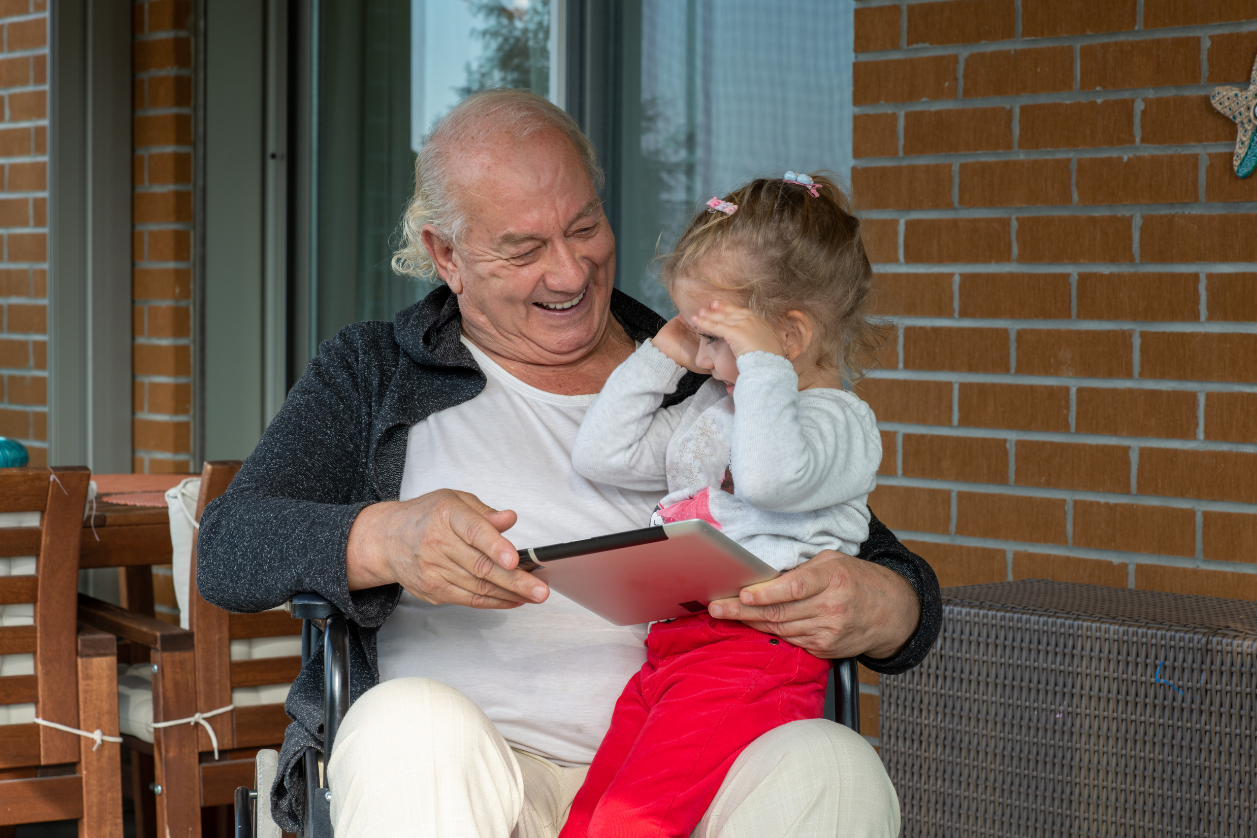
What Is a Visual Schedule for Dementia Patients?
A visual schedule is a simple, easy-to-follow daily routine displayed in a visible place using words, pictures, colors, or reminders.
Instead of asking:
“What happens next?”
your loved one can simply look at their schedule.
This may include:
Wake-up time
Medication reminders
Meals and hydration
Walks or movement
Rest periods
Family visits or phone calls
Personal care tasks
Evening wind-down routines
Bedtime reminders
The goal is not strict perfection—it’s predictability.
That predictability helps reduce confusion and supports emotional security.
Why Visual Schedules Work for Dementia
People living with dementia often struggle with:
Short-term memory loss
Time confusion
Difficulty transitioning between tasks
Anxiety caused by uncertainty
Increased dependence on caregiver prompts
A visual schedule reduces these challenges by creating external memory support.
Instead of needing to remember what comes next, the answer is always visible.
This helps with:
Less repetition of questions
Fewer moments of frustration
Reduced caregiver burnout
Better daily consistency
More confidence and independence
Many families notice that routines become smoother simply because expectations are clearer.
The Science Behind It: Routine + Visual Cues
Dementia affects the brain’s ability to process new information, but familiar routines often remain easier to follow.
That’s why repetition matters.
Routine helps the brain conserve energy by reducing decision-making. Visual cues strengthen this by providing constant reinforcement.
Examples include:
Seeing “Breakfast at 8:00 AM” on a display
A photo next to “Take Medication”
A reminder board showing “Daughter calls at 6 PM”
A digital display showing today’s appointments and family photos
Visual memory often lasts longer than verbal recall. This is why combining structure and visibility works so well.
It’s not about teaching new habits—it’s about supporting existing comfort.
How to Set Up Memoryboard with Families
Every person is different, but most successful routines follow a predictable rhythm.
Here is a simple dementia-friendly daily schedule template:
Morning Block (7:00 AM – 11:00 AM)
7:00 AM — Wake Up
Open curtains
Get dressed
Brush teeth
Wash face
8:00 AM — Breakfast
Morning meal
Water or tea
Morning medication
9:00 AM — Light Activity
Short walk
Stretching
Gardening
Folding laundry
Music or quiet hobby
10:30 AM — Rest Break
Sit outside
Snack
Quiet TV time
Mornings are often the clearest mental period, so this is the best time for appointments or important tasks.
Midday Block (11:00 AM – 2:00 PM)
12:00 PM — Lunch
Simple, familiar meal
Hydration reminder
1:00 PM — Calm Engagement
Family visit
Puzzle
Favorite show
Looking through photos
Avoid overstimulation during midday—calm and consistency matter more than activity volume.
Afternoon Block (2:00 PM – 5:00 PM)
2:30 PM — Rest or Quiet Time
Nap if helpful
Reading
Relaxing music
4:00 PM — Gentle Movement
Walk outside
Chair exercises
Light household task
Late afternoon can trigger “sundowning” symptoms, so structure during this time is especially helpful.
Evening Block (5:00 PM – 9:00 PM)
5:30 PM — Dinner
Familiar foods
Low-stimulation environment
6:30 PM — Family Connection
Video call
Visit
Shared TV time
Looking at memory photos
8:00 PM — Wind-Down Routine
Pajamas
Bathroom routine
Soft lighting
Quiet environment
9:00 PM — Bedtime
Consistency is key here—irregular evenings often create nighttime confusion.
Adapting the Schedule by Dementia Stage
Not every schedule should look the same.
The right structure depends on the stage of dementia.
Early Stage
Focus on:
Independence
Calendar reminders
Appointments
Medication prompts
Social activities
A simple checklist may be enough.
Middle Stage
Focus on:
Stronger routine consistency
Meal reminders
Hygiene prompts
Reduced transitions
More caregiver-supported structure
Visual prompts become more important here.
Later Stage
Focus on:
Comfort
Familiarity
Emotional reassurance
Reduced overwhelm
Very simple visual guidance
At this stage, fewer tasks and calmer routines often work best.
Printable vs. Digital Schedules
Many caregivers ask:
Should I use a printed schedule or a digital display?
The answer depends on the person.
Printable Visual Schedules
Best for:
Simple routines
Low-tech households
Visible wall placement
Budget-friendly solutions
Examples:
Whiteboards
Laminated schedules
Paper checklists
Magnetic boards
Pros:
Easy to create
Low cost
Familiar format
Cons:
Harder to update remotely
Can be forgotten or misplaced
Less engaging visually
Digital Schedules
Best for:
Families managing care remotely
Frequent reminder updates
Multiple family contributors
Richer visual support with photos and messages
Examples include digital memory boards like Memoryboard.
Pros:
Remote updates from family
Rotating reminders
Photo-based reassurance
Daily consistency without rewriting
Cons:
Higher upfront cost
Requires setup
For many families, digital schedules become especially helpful when long-distance caregiving is involved.
When a Digital Display Helps Most
A digital display is often most useful when:
Family members live far away
Caregivers need to update reminders often
Repeated questions are increasing
Loved ones benefit from seeing family photos
Consistency is hard to maintain manually
For example:
Instead of repeatedly saying:
“Your son is visiting tomorrow”
the reminder stays visible all day.
This reduces stress for both sides.
That constant visual reassurance can make a major difference.
Integrating Memoryboard Into Your Practice
Many professionals are now:
Including it in discharge plans
Recommending it as part of home programs
Using it in caregiver education sessions
Referring families early (before crisis stage)
This leads to:
Better outcomes
More satisfied families
Higher long-term adherence to care plans
Final Thoughts
A visual schedule for dementia patients is not just about organization.
It’s about reducing fear.
It helps your loved one feel less lost, more secure, and more connected to the rhythm of daily life.
For caregivers, it means fewer repeated reminders, less emotional exhaustion, and more moments of peace.
Whether you start with a printed checklist or a digital display like Memoryboard, the goal is the same:
less confusion, more clarity, and a stronger sense of home.
Because dementia care works best when life feels familiar.
Join our mailing list and get our FREE daily routine template & tips guide 💜
Email address
Sign up
More from the blog
Read more helpful tips about connecting with your loved ones from the team at Memoryboard.


Empower people with memory loss
Memoryboard enhances daily life and strengthens connections